Wildlife & Nature
Our wild neighbors
The animals thrive here because the land is rich in the right habitat. Here is who you are likely to meet, and how to live alongside them.
Rabbits and coyotes
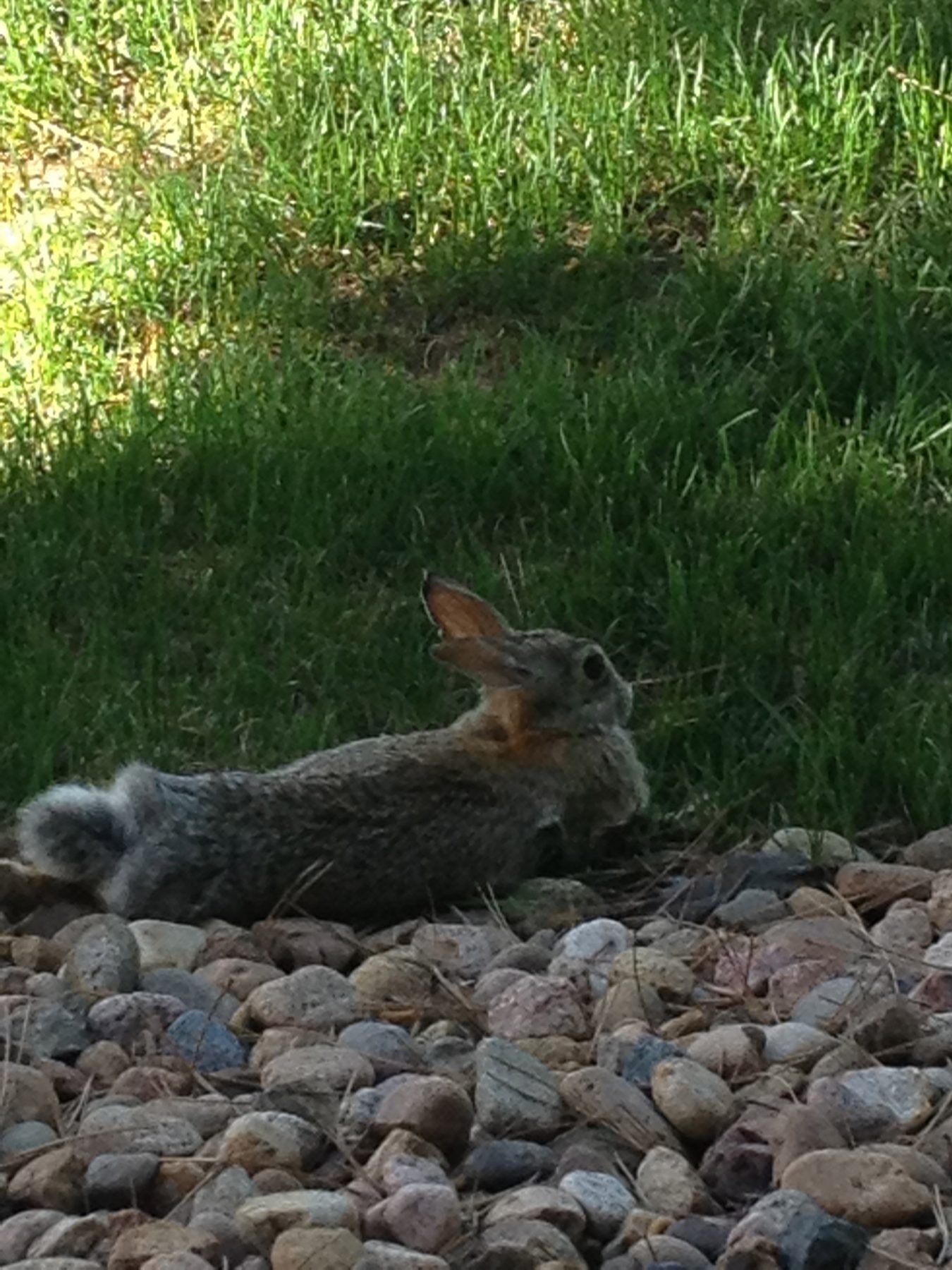
Our most common wildlife neighbor is the rabbit, and rabbit habitat is coyote habitat. Coyotes are mostly nocturnal and would rather go unseen, but residents hear them almost nightly. Around sundown they come out to socialize and hunt along our streets and arroyos.
Coyotes mate for life, usually hunt alone but team up in winter, can run up to 40 miles per hour, and live 10 to 14 years in the wild.
Mule deer
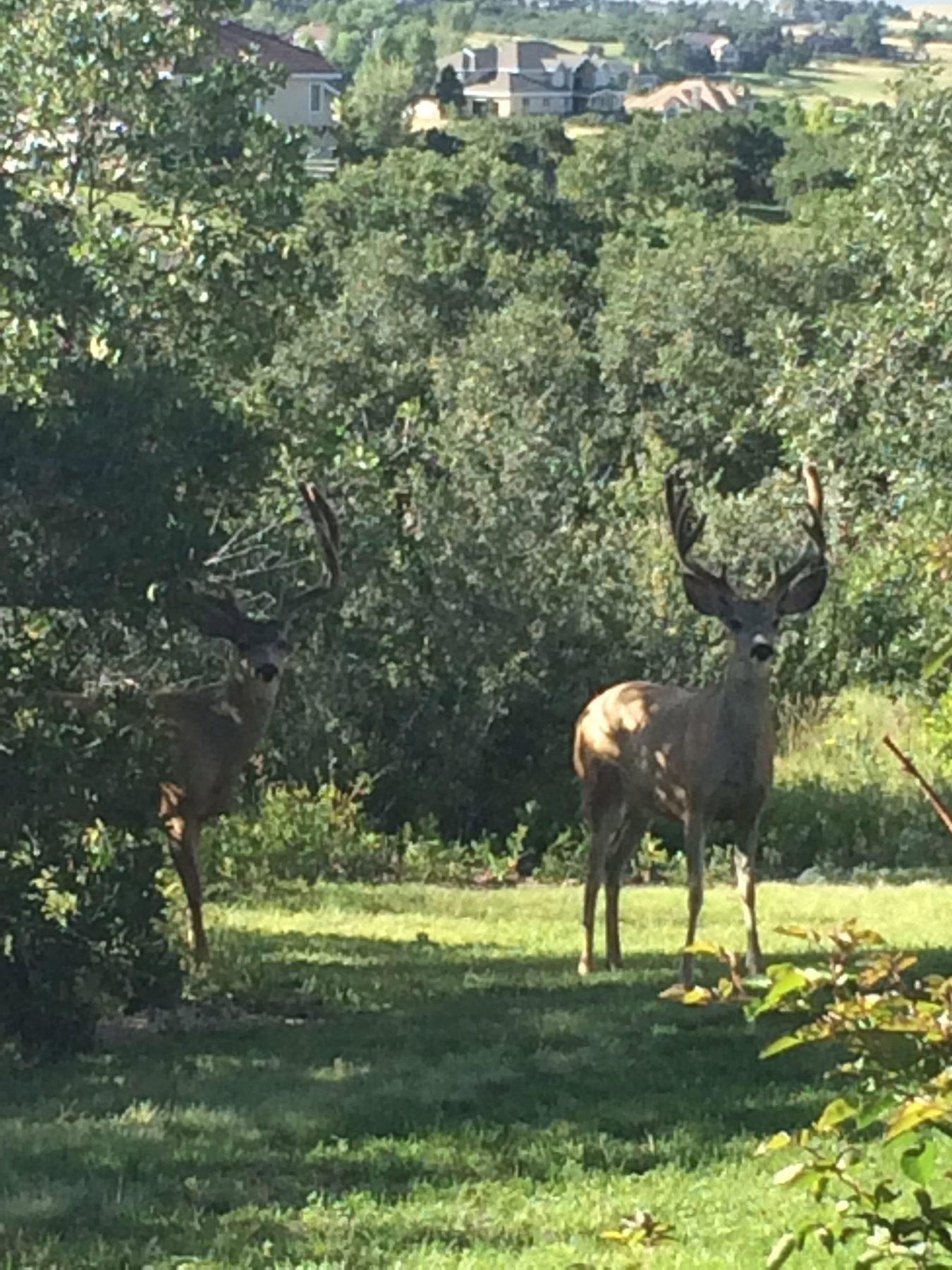
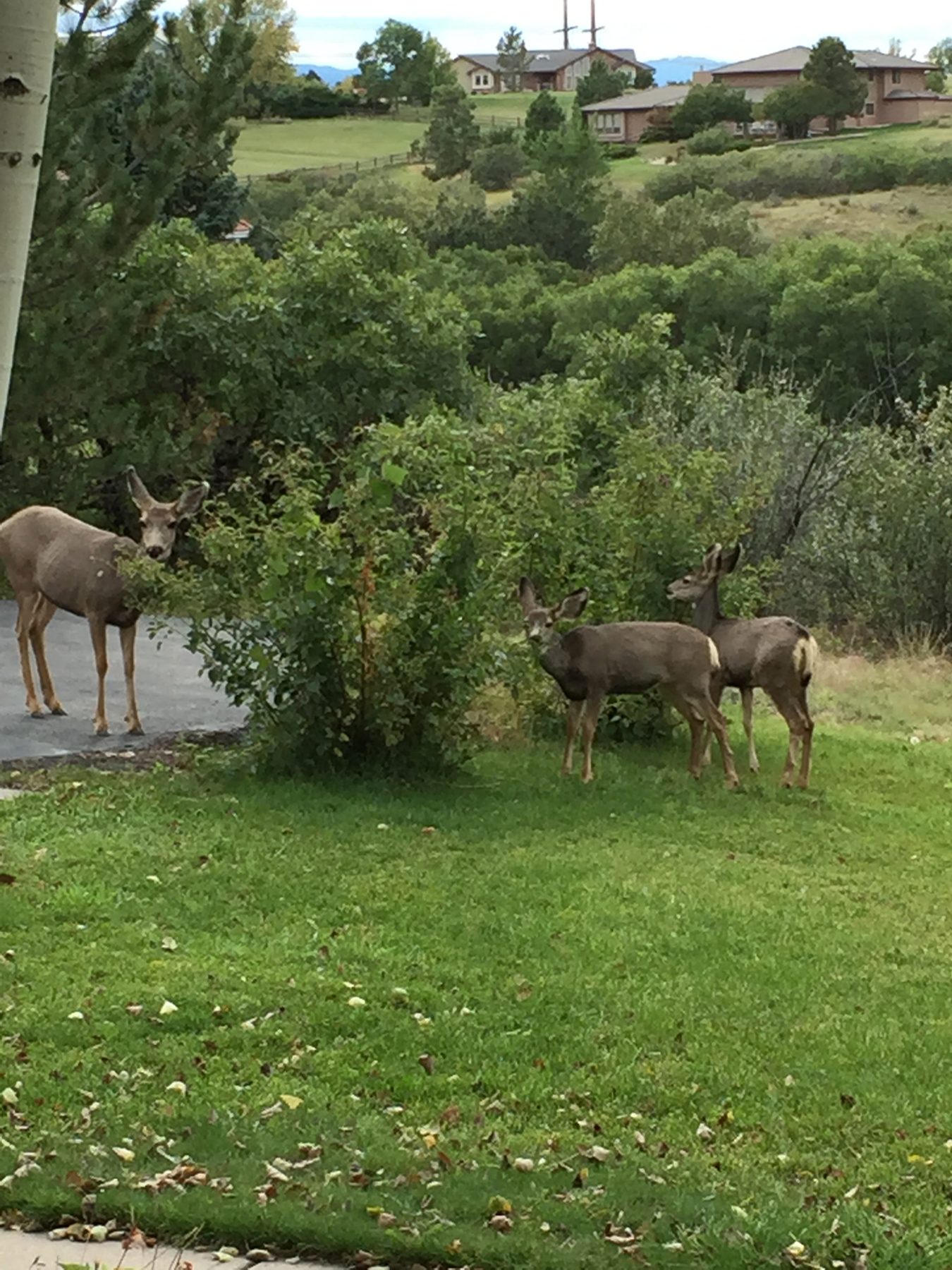
Mule deer wander our ditches, grazing on native grasses and bedding down in the scrub oak. Most of us enjoy seeing them, and they enjoy eating our flowers. New residents quickly learn which plants are deer resistant. Elk rarely cross Castle Pines Parkway, but you can often see them in nearby Daniels Park.
Mule deer have no upper front teeth, hollow hair that insulates them through winter, and a 310-degree field of vision. A bounding mule deer can clear 15 feet.
Bobcats, bears, and birds
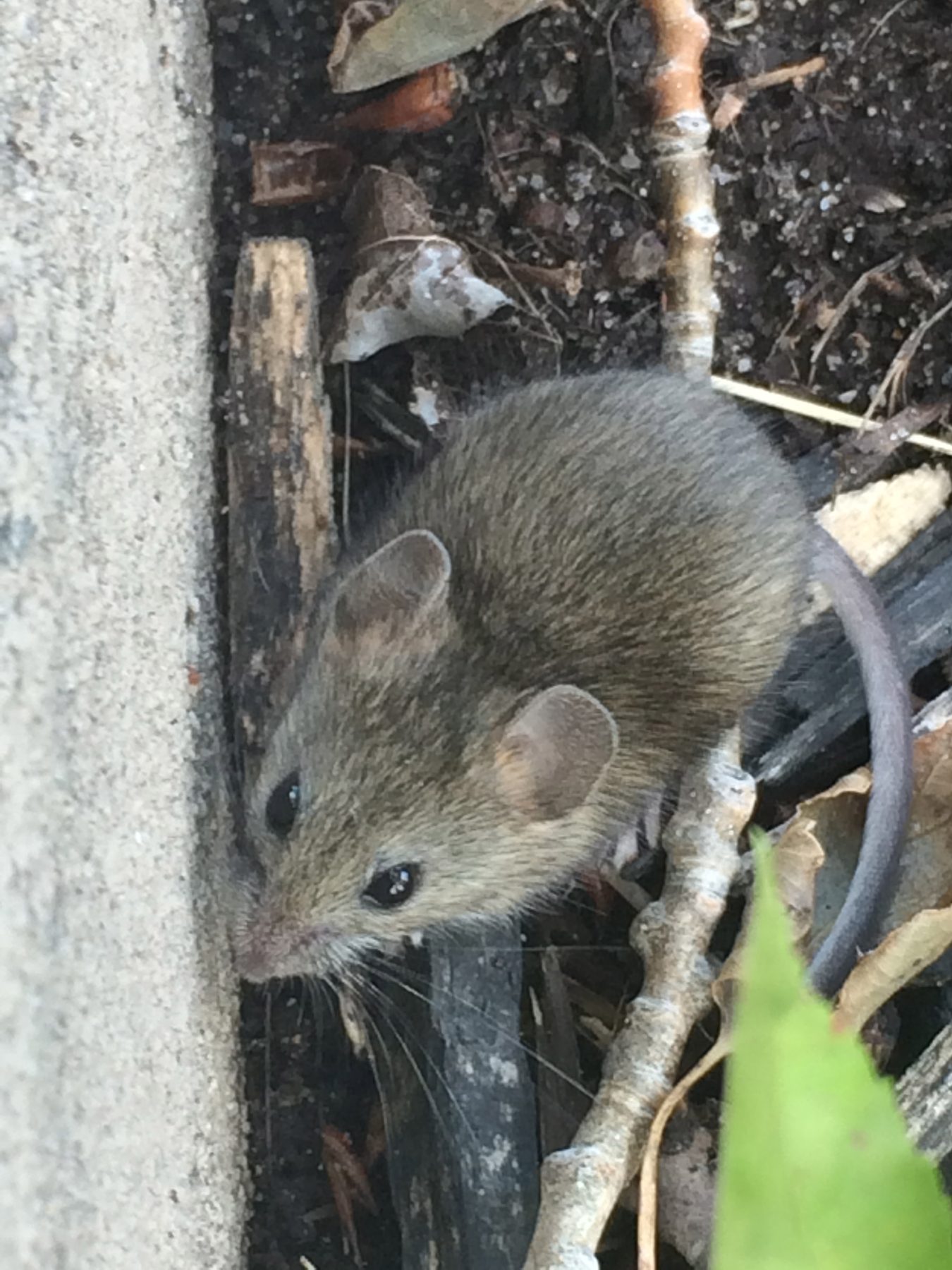
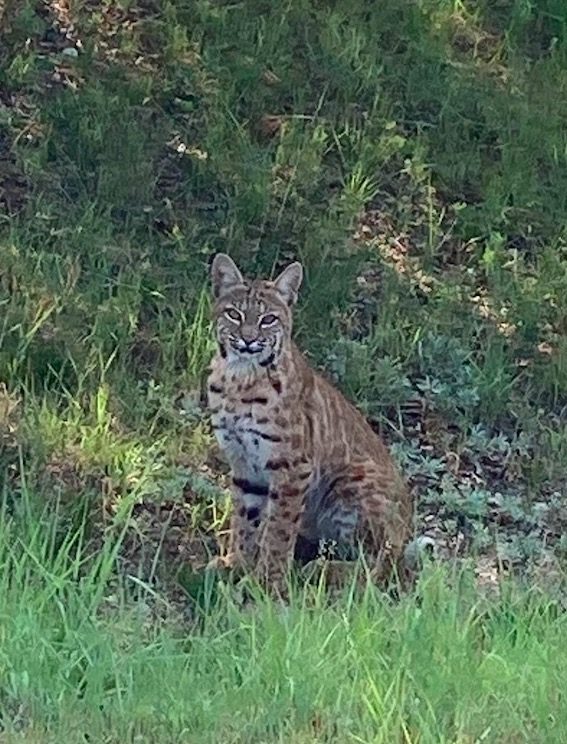
The habitat also supports bobcats, lynx, and foxes, and residents report sightings of all three. Raccoons and porcupines are not uncommon, and black bears occasionally pass through. Voles, pocket gophers, squirrels, and mice are everywhere.
Look up and you may see red-tailed hawks, peregrine falcons, owls, ravens, magpies, wild turkeys, and now and then a bald eagle.
Enjoy them from a distance
Please never feed wildlife. Animals that lose their healthy distrust of people become dependent and face higher risks of disease and conflict. If a coyote comes close, make loud noises to discourage it. Treat bears, mountain lions, bobcats, and lynx as dangerous, and report encounters to the Douglas County Sheriff's Office.
Native plants
Before the Pikes Peak Gold Rush this area was more heavily forested. Demand for lumber in a booming Denver cleared much of it, leaving the open terrain we know today. Bristlecone pine, Rocky Mountain juniper, and piñon still grow throughout Charter Oaks.
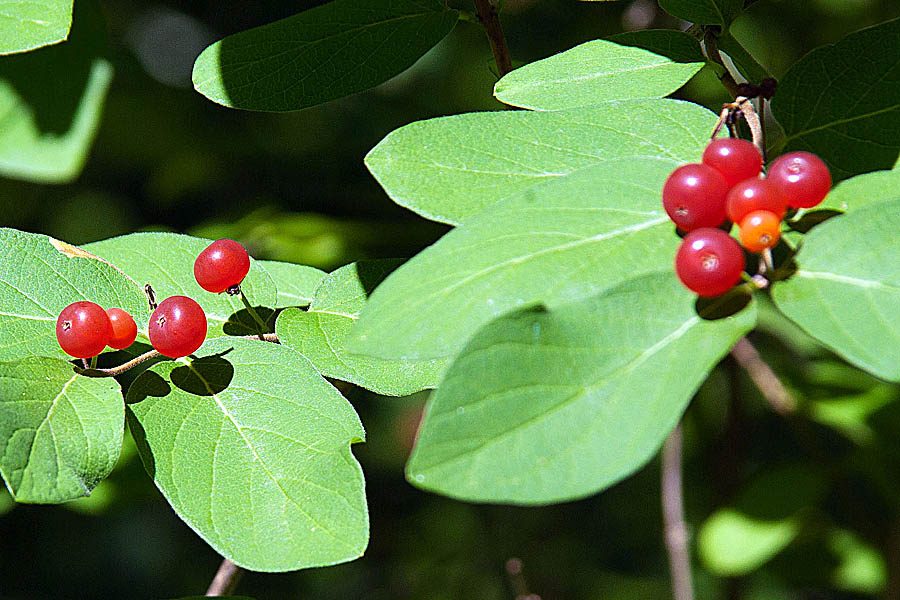
Yucca grows on nearly every lot. The Ute wove its leaves into baskets, sandals, and mats, and settlers used its root to make soap, which is why some still call it soapweed. Yampah, once called the Indian carrot, has an edible root with a nutty flavor. Chokecherries are abundant, and a favorite of our black bears.